Youth Soccer Costs (2026): What Parents Really Pay by Level
 Reviewed by Roman PivarnikUEFA Pro Licence · Technical Director, Slovak FA
Youth soccer costs vary widely depending on the level of play. Recreational soccer typically costs $75 to $300 per season. Competitive club soccer ranges from $1,500 to $5,000+ per year, with some elite programs exceeding $8,000 annually when tournament travel, private training, and equipment are included. The biggest cost differences come from club fees, travel, and the choice between recreational and competitive pathways.
Understanding where the money goes helps families make informed decisions about which level of commitment fits their budget. Soccer does not have to be expensive. At the recreational level, it is one of the most affordable youth sports. But competitive club soccer can become a significant financial commitment quickly.
What does recreational soccer cost?
Recreational soccer through AYSO, local parks and recreation departments, or community leagues is the most affordable entry point.
Registration fees: $75 to $200 per season (typically 8 to 12 weeks). This usually includes a uniform jersey and sometimes a ball.
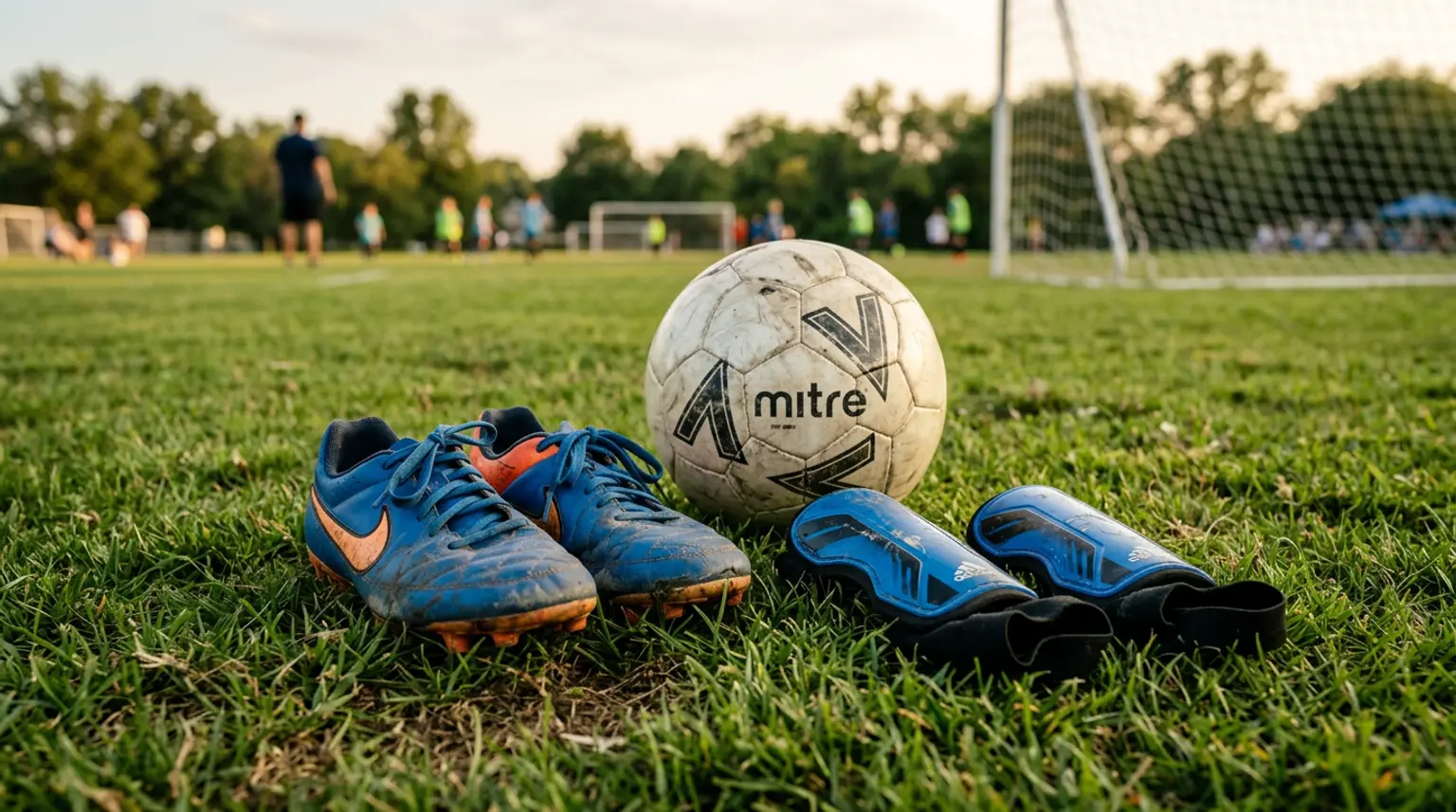
Equipment: $50 to $120 for cleats ($30 to $60), shin guards ($10 to $20), soccer socks ($5 to $10), and a ball ($15 to $30) for home practice.
Total first-season cost: $125 to $320. After the first season, the only recurring costs are registration and replacing outgrown equipment.
What you get: 1 to 2 practices per week, weekend games, volunteer coaching, equal playing time, and a fun, inclusive environment. For many families, this is the right fit through age 10 or beyond.
What does competitive club soccer cost?
Competitive (club) soccer involves higher fees because it provides licensed coaching, more training sessions, league competition, and tournament participation.
Club fees: $1,000 to $3,500 per year. This covers coaching, field rental, league registration, and administrative costs. Fees vary significantly by region. East and West Coast clubs tend to be more expensive than Midwest or Southeast clubs.
Uniforms and gear: $200 to $500. Competitive clubs typically require home and away jerseys, warm-up suits, practice gear, and specific bags. These are often purchased through the club at set prices.
Tournament fees and travel: $500 to $3,000+ per year. Most competitive teams attend 3 to 8 tournaments per season. Registration fees range from $300 to $800 per tournament. Add hotel stays ($100 to $200 per night), gas or flights, and meals, and tournament weekends become the largest variable cost in competitive soccer.
Private training (optional): $50 to $150 per session. Many competitive families add 1 to 2 private training sessions per week, which can add $2,500 to $15,000 annually. This is optional but common at higher levels.
Total annual cost for competitive soccer: $2,000 to $8,000+ depending on the club, region, travel schedule, and whether private training is included. The national average for a competitive youth soccer family is roughly $3,000 to $5,000 per year.
What are the hidden costs parents do not expect?
Gas and drive time. Competitive clubs often have practice locations 20 to 40 minutes from home. Driving to 3 to 4 practices per week, plus weekend games, adds up in fuel costs and wear on the family schedule.
Missed work and family time. Tournament weekends consume entire Saturdays and Sundays. For families with multiple children in activities, the logistical challenge and opportunity cost are real.
Replacing equipment. Youth players outgrow cleats and shin guards quickly. Expect to replace cleats 1 to 2 times per year for growing players. Budget $30 to $80 per replacement.
Indoor soccer or futsal fees. Many clubs offer or require winter indoor training, which may have separate fees ranging from $100 to $500 per season.
Tryout and assessment fees. Some clubs charge $25 to $75 for tryout registration.
How can families reduce soccer costs?
Start recreational. There is no developmental reason to jump straight to competitive soccer, especially before age 9 or 10. Recreational soccer provides the game experience and social development young players need at a fraction of the cost.
Supplement with home training instead of private sessions. The most cost-effective way to accelerate development is daily structured home training. A training app like FlickTec costs a fraction of private coaching per month and provides daily guided sessions from a 500+ video exercise library designed by Coach Roman Pivarnik (UEFA Pro Licence, former UEFA Champions League coach). A player using a structured app daily will get more total training volume than one seeing a private trainer once a week.
Buy used equipment. Gently used cleats, shin guards, and bags are widely available at consignment shops, Facebook Marketplace, and club swap events. Children outgrow equipment before they wear it out, so used gear is often in excellent condition.
Limit tournament travel. Not every tournament is worth the cost. Focus on 2 to 3 well-chosen tournaments per season rather than attending every opportunity. Ask the coach which events provide the best development value.
Ask about financial aid. Many clubs offer scholarships or reduced-fee programs for families who qualify. US Soccer and state associations sometimes provide grant funding. Do not hesitate to ask. Clubs would rather have committed players on financial assistance than lose them entirely.
Share rides. Carpooling to practices and games reduces both cost and the logistical burden on each family.
Is expensive soccer better soccer?
Not necessarily. Higher cost does not guarantee better coaching, more development, or a better experience. Some of the best development environments in youth soccer are run by clubs that keep costs moderate and invest in coaching quality rather than flashy facilities or extensive tournament travel.
What to evaluate instead of price: Coaching qualifications, development philosophy, player-to-coach ratios, communication with families, and how the club supports individual player development through tools like Individual Development Plans and home training access.
The most impactful investment a family can make in their child's soccer development is not the most expensive club or the priciest private trainer. It is consistent daily training. A player who trains 15 minutes at home every day with a $10/month app will develop faster than one who only trains with their team, regardless of how much the club costs.
Frequently Asked Questions
Is youth soccer more expensive than other youth sports?
At the recreational level, soccer is one of the most affordable youth sports. Equipment costs are low and team fees are modest. At the competitive level, soccer costs are comparable to hockey, travel baseball, and competitive gymnastics, with travel being the primary driver of expense.
How much should families budget annually for competitive soccer?
A reasonable starting budget is $3,000 to $5,000 per year for a mid-level competitive club including fees, equipment, and moderate tournament travel. Elite programs (ECNL, MLS NEXT, GA) can run $5,000 to $10,000+ with extensive travel.
Are soccer scholarships available for college?
Yes, but they are limited and highly competitive. NCAA Division I men's programs have 9.9 scholarships per team (often split among players), while women's programs have 14. Division II offers partial scholarships. Division III does not offer athletic scholarships but may provide merit or need-based financial aid. The financial return on youth soccer investment through college scholarships is not guaranteed.
Should I pull my child from competitive soccer if the cost is too much?
If competitive soccer is causing financial stress, stepping back to recreational soccer and supplementing with daily home training is a smart, not a lesser, choice. A rec player who trains daily at home can develop technical skills that rival competitive players. The club name on the jersey matters far less than the work the player puts in individually.
Youth soccer does not have to break the bank. The most important factor in a player's development is not how much the family spends, but how consistently the player trains. Choose the level that fits your family's budget and schedule, supplement with daily home training, and let the player's effort do the rest.
For affordable daily training that fills the gap between team sessions, explore FlickTec, with 500+ guided video exercises for youth players aged 7 and up.